The rapid escalation of the US-Israel-Iran conflict has transcended regional borders, triggering an immediate and structural rewiring of global fiscal priorities. As of April 2026, Western capitals and their regional allies are abandoning the post-Cold War peace dividend in favor of fast-tracked, emergency defense appropriations. We are witnessing the dawn of a localized “war economy”—a macroeconomic pivot that will generate historic windfalls for the aerospace and defense sectors, while simultaneously introducing severe, structural constraints on civilian manufacturing.
The defining characteristic of this new geopolitical reality is the staggering hyper-consumption rate of modern munitions. The illusion of brief, low-intensity conflict has been shattered by the realities of high-tech attrition warfare.
The Hyper-Consumption of Modern Combat
Modern battlefields are defined by the rapid depletion of highly sophisticated, capital-intensive assets. The current theater of operations demands an unprecedented volume of interceptor missiles for layered air defense, autonomous drone swarms for asymmetric strikes, and advanced electronic warfare (EW) systems.
The industrial base was not prepared for this burn rate. By early April 2026, tier-one defense contractors across North America and Europe reported order backlogs stretching deep into the next decade. The mandate from defense ministries is twofold and urgent: aggressively replenish deeply depleted legacy stockpiles while simultaneously integrating next-generation, AI-driven combat systems into the force structure.
While this translates to guaranteed, decade-long revenue visibility for the defense-industrial complex, it creates a zero-sum resource battle for the broader global economy.
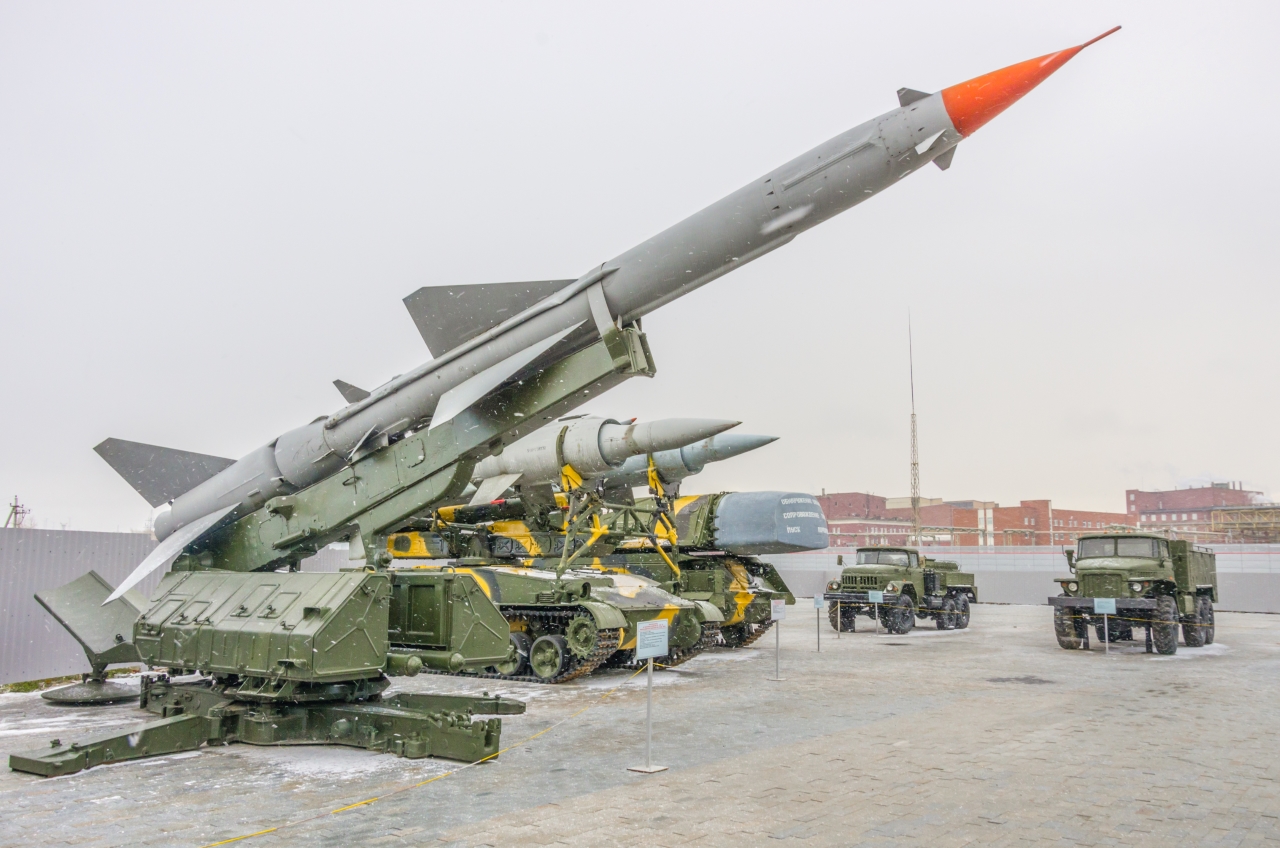
The ‘Crowding-Out’ Effect on Civilian Industry
The pivot to a war economy footing means the military-industrial sector is now aggressively absorbing finite global resources. This phenomenon—the “crowding-out” effect—poses an immediate and severe threat to non-defense industries.
The manufacture of modern weaponry relies on the exact same supply chains that power the civilian tech, automotive, and green energy sectors. Defense contractors are rapidly monopolizing access to critical raw materials, including aerospace-grade titanium, rare earth magnets, and battery-grade lithium. Furthermore, the insatiable military demand for advanced semiconductors and logic chips to guide autonomous munitions is directly competing with the needs of commercial electronics manufacturers.
However, the crowding-out effect extends beyond physical materials; it is siphoning vital human capital. Specialized engineering talent—particularly in systems architecture, artificial intelligence, and aerospace design—is being aggressively recruited away from the commercial sector, lured by the massive capital influx into dual-use technology firms.
When National Security Trumps Commercial Contracts
For multinational corporations outside the defense sphere, the procurement landscape has been fundamentally altered. In a war economy, commercial leverage is secondary to national defense.
Western governments possess powerful statutory tools to compel industrial prioritization. Mechanisms akin to the US Defense Production Act allow sovereign states to legally force manufacturers to prioritize military orders over commercial contracts. As these mandates are quietly invoked or heavily incentivized down the supply chain, civilian manufacturers will find themselves pushed to the back of the line. Securing essential industrial components will become increasingly difficult, lead times will stretch unpredictably, and component costs will surge.

Strategic Conclusion
The events of April 2026 confirm that the defense sector is no longer just another industry; it is the apex predator of the global supply chain.
For the C-suite of non-defense corporations, navigating the war economy pivot requires immediate defensive action. Operations and procurement teams must urgently audit their sub-tier suppliers to identify direct competition with defense contractors. Just as companies are diversifying geographically to avoid geopolitical tariffs, they must now diversify industrially to avoid being crowded out by the military-industrial complex. In the current geopolitical climate, a supply chain that competes directly with national security mandates is a supply chain destined to fail.
Source:
https://understandingwar.org/research/middle-east/iran-update-special-report-march-29-2026/
https://www.allianzgi.com/documents/AllianzGI-Iran-strikes-Schulz-2026-EN